
Water and Wastewater Infrastructure Funding
Additional Information
Securing and managing major investments—such as the $30 million provincial funding via the Municipal Housing Infrastructure Program—is a massive priority. This addresses critical system upgrades in areas like Bayshore Village, Lagoon City, and Brechin to protect Lake Simcoe, modernize aging infrastructure, and manage long-term financial pressures.
Water and Wastewater Infrastructure Funding
- Phased Capital Planning & Asset Management: Prioritizing high-risk assets using detailed lifecycle condition assessments to ensure funding is deployed where failures would be most catastrophic.
- Leveraging Senior Government Grants: Actively applying for and executing provincial and federal funding streams (such as infrastructure and housing-enabling programs) to offset the burden on local municipal tax and rate payers.
- Water/Wastewater Rate Studies: Implementing user-pay rate structures that accurately reflect the true cost of operating, maintaining, and upgrading treatment plants and collection systems over the long term.
Development Help Support Aging Infrastructure.
When managed carefully through growth-paying mechanisms development can help support aging infrastructure. Historically, when aging municipal systems fail (such as the spray fields in Bayshore Village or parts of the Brechin and Lagoon City plants), the financial burden falls directly onto the small existing ratepayer base through rising user fees. New development can help by expanding the user base, meaning the cost of maintaining, upgrading, and replacing major capital assets is distributed across a larger number of taxpayers and water/wastewater users over the long term.
How Development Charges Can Be Used for Water and Sewer Lines
Development Charges (DCs) are one-time fees collected by the municipality from developers at the time a building permit is issued. They are designed explicitly so that "growth pays for growth."
- Capital Cost Recovery: DC revenue is placed into dedicated reserve funds to pay for the growth-related portion of infrastructure—such as expanding water treatment plant capacities, oversizing water mains, and building new sanitary sewer lines.
- Area-Specific vs. Township-Wide Rates: While standard DCs apply township-wide for general services, municipalities can implement Area-Specific Development Charges (as Ramara has done for Bayshore Village and Brechin/Lagoon City) to ensure that development in a specific service zone directly funds the local water and wastewater infrastructure required for those exact properties.
- Limitations: By law, development charges cannot be used to fix or replace pre-existing historical deficits, deferred maintenance, or worn-out components of aging infrastructure; they can only fund the increased capacity needed to service new growth.
Building a Relationship with Rama First Nation can Help Draw Municipal Services Down Rama Road to Support Responsible Development and Preserve Lake Couchiching.
Collaborative partnerships or servicing agreement with the Chippewas of Rama First Nation holds significant potential for regional infrastructure and environmental stewardship along the Rama Road corridor.tment plants to support housing growth and environmental protection. underserved areas.
Shared Servicing & Cost-Splitting: Extending water and wastewater lines along a major corridor like Rama Road is exceptionally expensive. Partnering with Rama First Nation could allow both jurisdictions to share capital costs, engineering studies, and construction overhead, making regional extensions financially viable where they wouldn't be for Ramara alone.

Environmental Disasters and Recovery
Additional Information
Environmental Disasters and Recovery: Following severe spring flooding, the Lake St. John area was designated under the Disaster Recovery Assistance for Ontarians (DRAO) program, making flood recovery and climate resilience a major local focus.
- Disaster Financial Assistance Administration: Streamlining the documentation, reporting, and resident application processes for programs like the Disaster Recovery Assistance for Ontarians (DRAO) to ensure affected property owners receive relief quickly.
- Stormwater Management Upgrades: Investing in updated stormwater modeling, expanded retention ponds, and improved drainage channels to increase resilience against extreme weather events and sudden snowmelts.
- Flood Mitigation Policies: Updating zoning and building bylaws in vulnerable areas (such as around Lake St. John) to mandate higher minimum floor elevations and stricter backflow prevention requirements.
Collaborative drainage and watershed planning partnership with the Chippewas of Rama First Nation could significantly improve flood mitigation and environmental management in the region. Water, snowmelt, and major weather events do not stop at municipal and First Nation borders. Because water systems flow across jurisdictions, coordinating planning efforts offers several key advantages:
Unified Watershed and Drainage Modeling
- Shared Hydrological Studies: Water flowing toward Lake St. John, Lake Couchiching, and surrounding wetlands often traverses both Ramara and Rama traditional territory. Partnering on joint engineering studies and computer modeling allows both communities to map runoff patterns, bottlenecks, and high-risk flood zones accurately.
- Coordinated Culvert and Ditch Sizing: Upgrading drainage channels on one side of a border is ineffective if downstream or upstream infrastructure (managed by the other community) creates a bottleneck. Collaborative planning ensures that culverts, ditches, and stormwater retention infrastructure are sized consistently across the entire drainage basin.
2. Protecting Shared Waterways and Aquifers
- Mitigating Runoff and Erosion: Coordinated stormwater management helps prevent excessive silt, agricultural runoff, and urban pollutants from washing into Lake St. John and Lake Couchiching during rapid spring thaws or severe storms.
- Aligned Environmental Policies: By sharing insights on zoning bylaws, minimum floor elevations, and shoreline preservation, both communities can establish consistent development setbacks that protect natural wetlands—which act as the region's natural sponge during heavy flooding.
3. Grant Opportunities and Shared Resources
- Joint Funding Applications: Senior levels of government (both federal and provincial) heavily favor regional, cross-jurisdictional applications for climate adaptation and disaster mitigation grants (such as the federal Disaster Mitigation and Adaptation Fund). Partnering with Rama First Nation can make funding bids significantly more competitive by demonstrating broad regional impact.
Public Health and Physician Recruitment
Additional Information
Public Health and Physician Recruitment: Access to local medical care has been a pressing community concern. The township has made headway by welcoming new primary health care practitioners to the Ramara Medical Centre in Brechin (such as Dr. Mo and incoming physician Dr. Dadashi) in collaboration with regional health teams.
Collaborative Recruitment Task Forces: Partnering directly with regional health teams, Ontario Health, and neighboring municipalities (such as Orillia) to offer competitive recruitment incentives, practice support, and administrative transition assistance for incoming doctors.
- Facility Investment: Upgrading and maintaining municipal-owned medical centers (like the Ramara Medical Centre) to provide turnkey, modern office spaces that attract and retain family physicians.
- Expanding Digital Health Access: Promoting virtual care infrastructure and telehealth options to bridge the gap for residents while in-person rosters fill up.
The Township of Ramara’s current healthcare plans are anchored by active, multi-agency recruitment initiatives and facility investments designed to secure permanent, in-person primary care providers: Expanding the Ramara Medical Centre Roster: Following the arrival of Dr. Anoushka Mohammadiankhorasani (Dr. Mo), who opened her practice at the Brechin medical facility, the township secured a second family physician, Dr. Mehdi Dadashi, to begin serving the community. Together, they form a permanent local primary care network.
- Regional Committee Partnerships: The township continues to work hand-in-hand with the Couchiching Ontario Health Team (COHT) and the Orillia & Lake Country Physician Recruitment Committee (OLCPR) to market the municipality as an attractive location for family physicians and streamline administrative onboarding.
- Coordinated Patient Roster Management: Rather than maintaining isolated local waitlists, Ramara directs unattached residents straight through Health Care Connect (online via ontario.ca/HealthCareConnect or by calling 811), giving local residents priority matching as new physicians expand their patient caps.
Building a direct relationship with the hospital’s leadership through the new facility's capital campaign is a powerful way to advocate for Ramara’s regional health needs. Because Orillia Soldiers' Memorial Hospital (OSMH) serves as a primary acute care provider for residents across the region—including Brechin, Lagoon City, and rural Ramara—aligning municipal interests with the hospital's expansion provides distinct advantages.
Strategic Objectives.
- Position Ramara as an Active Partner in Regional Growth: Emphasize that as Ramara addresses its own infrastructure and housing-enabling initiatives, a state-of-the-art regional hospital at the new Lakehead University site is vital for supporting incoming families and seniors.
- Bridge Local Care and Acute Care: Connect the township's ongoing success in primary care physician recruitment (such as bringing new doctors to the Ramara Medical Centre) directly to the broader pipeline feeding into OSMH. Demonstrating that Ramara is proactively managing primary care helps assure hospital leadership that the municipality is a dependable healthcare partner.
- Leverage Fundraising Networks for Mutual Benefit: Participating in the hospital's major fundraising initiatives allows me to connect directly with regional philanthropic leaders, business owners, and donors. These networks can be invaluable for building broader coalitions that benefit both regional health equity and local community projects.
Environmental & Resource Management (Quarries and Energy)
Additional Information
Environmental & Resource Management (Quarries and Energy): Council has closely scrutinized aggregate extraction proposals, commercial soil-import applications, and environmental compliance approvals to protect local aquifers, private wells, and rural designations. WE NEED TO TALK ABOUT QUARRIES, they’re here and they’re not going anywhere so by building relationships with the aggregate companies we can find opportunities to work together and protect our land and our water.
- Proactive Municipal Bylaws: Establishing robust municipal controls—such as stringent setbacks, increased property buffers, and localized nuisance bylaws—for high-impact developments.
- Source Water Protection Alignment: Ensuring all local planning decisions strictly adhere to provincial Clean Water Acts to safeguard municipal wells and private aquifers.
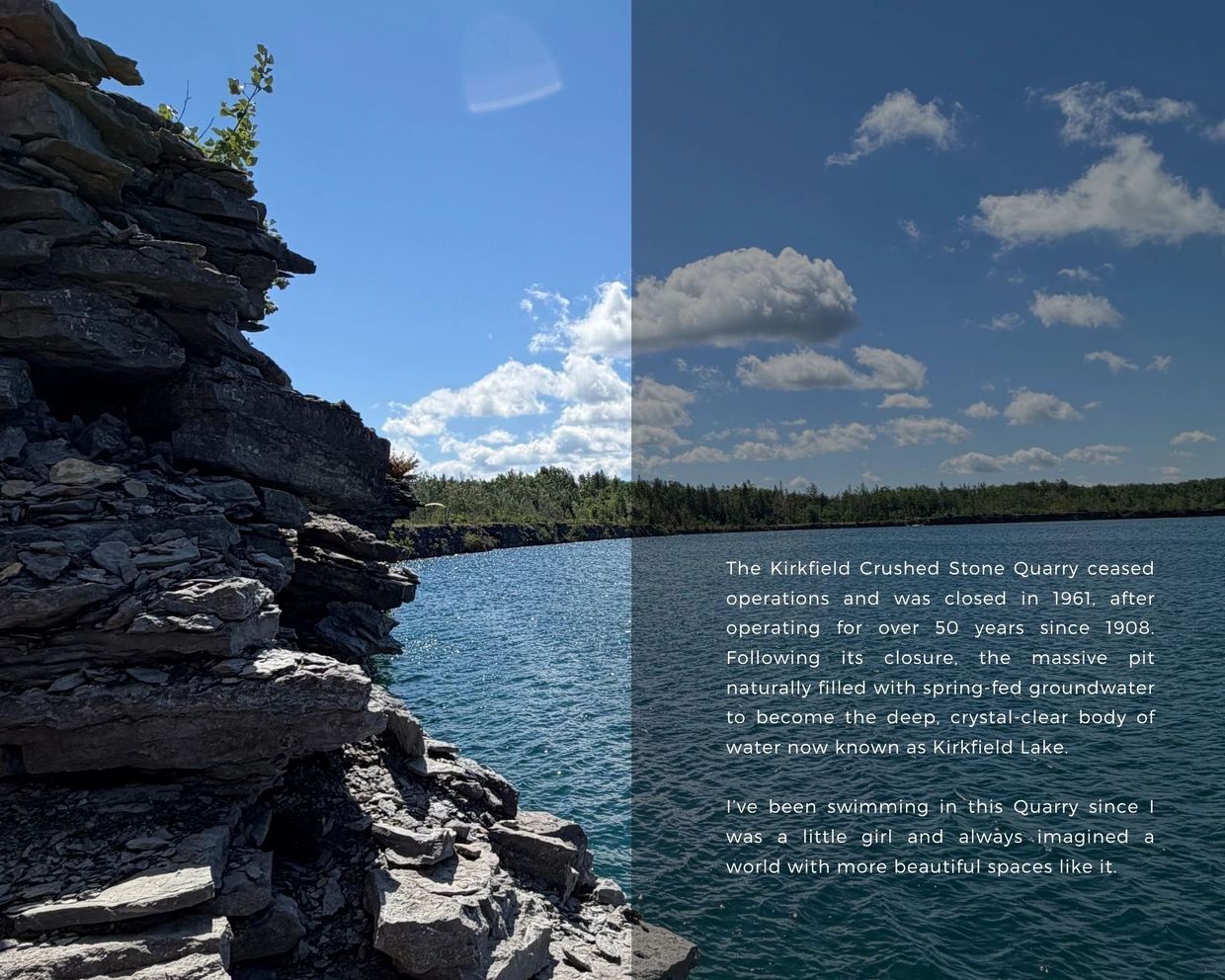
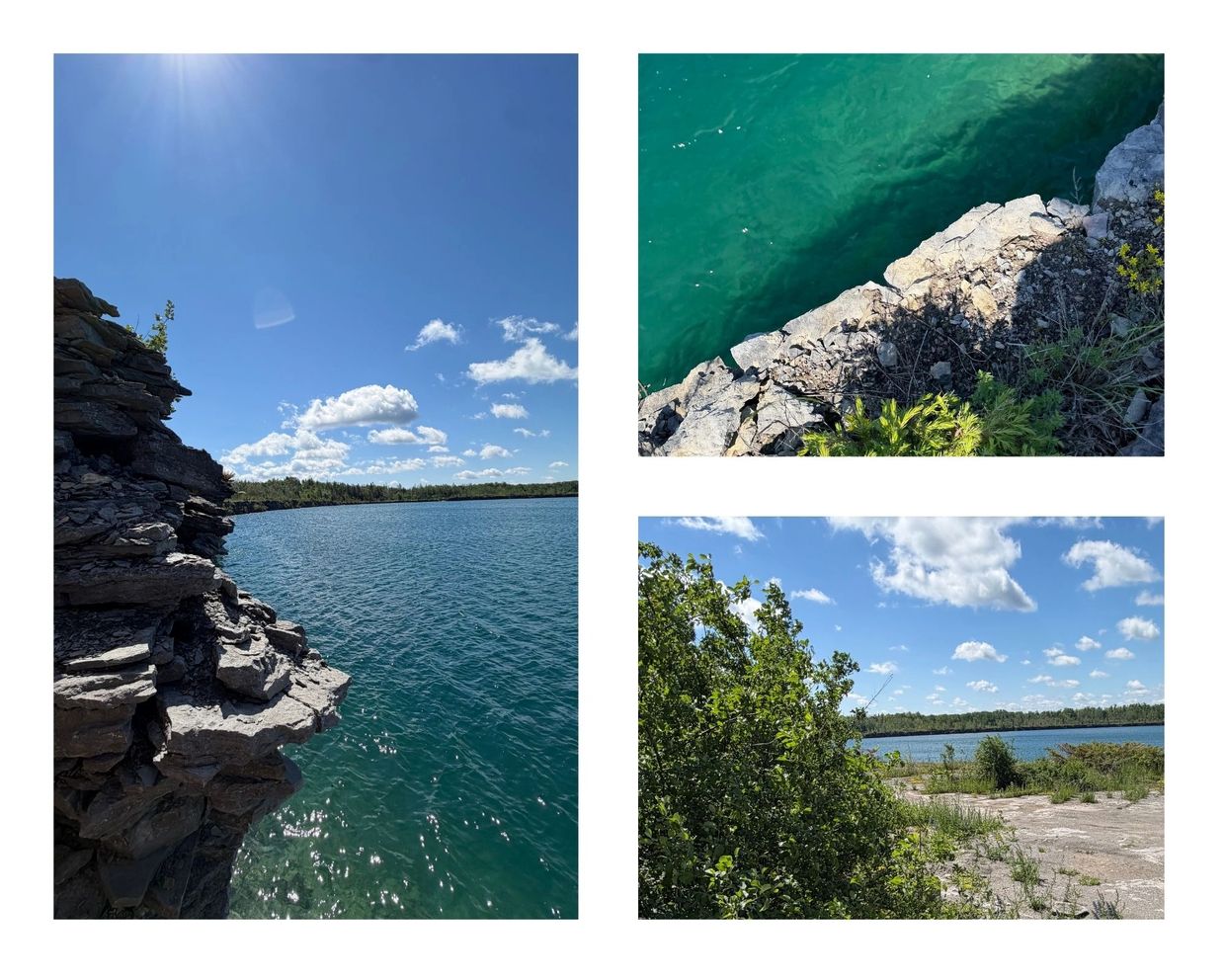
Transforming retired or decommissioned aggregate sites into master-planned recreational and mixed-use communities is one of the most innovative ways to unlock long-term land value while actively healing the rural landscape.
Because aggregate extraction temporarily alters topography, turning exhausted pits and quarries into community assets requires forward-thinking rehabilitation frameworks. Aligning this vision with Ramara’s future planning offers several powerful strategic advantages:
Turning Environmental Liabilities into Recreational Destinations
- Multi-Use Recreation Hubs: Deep-water quarry pits can be engineered into stunning, clean-water recreational lakes for swimming, non-motorized boating, and sport fishing, while shallower terraced areas can be planted as native wetlands, walking trails, and conservation parks.
- Tourism and Economic Catalysts: Rather than leaving behind dormant industrial zones, rehabilitated quarry lands can become regional draws—similar to successful post-industrial conversions elsewhere in Ontario that now host eco-parks, mountain biking trails, camping, or waterfront amphitheaters.
2. Unlocking High-Value Development Potential
- Master-Planned Communities: Once extraction is complete and rehabilitation bonds or standards are satisfied, these large, contiguous tracts of reclaimed land offer developers a blank canvas.
- Transitional Waterfront Living: Properties bordering reclaimed quarry lakes command high market value. Thoughtfully integrating low-impact residential neighborhoods or boutique eco-resorts around these new water features creates an entirely new tax and assessment base for the township without chewing up pristine greenfield forests or agricultural lands.
3. Protecting Aquifers and Water Systems Long-Term
- Engineered Recharge Basins: During the decommissioning phase, hydrological experts can design the final pit contours to act as natural water retention and filtration basins, actually improving local groundwater recharge rates and protecting private wells and regional aquifers from runoff contamination.
4. Aligning with Municipal Policy and the Zoning Update
- Proactive Rehabilitation Bylaws: Integrating specific "rehabilitation and transition" frameworks directly into Ramara’s Comprehensive Zoning By-law ensures that aggregate operators are held to a higher standard of end-use planning before permits are even finalized.
- Collaborative Stakeholder Buy-In: Presenting this as a visionary land-use strategy shifts the municipal conversation from constant pushback against new extractions to a collaborative, long-term roadmap for how industrial lands eventually transition into valuable community assets.

Comprehensive Zoning By-law Update
Additional Information
Comprehensive Zoning By-law Update: The township has actively engaged residents, businesses, and property owners through open houses and surveys to shape a major update to its Comprehensive Zoning By-law, managing growth and future development across the community.
- Broad Public Consultation: Utilizing multi-channel engagement (surveys, open houses, interactive mapping tools) to capture feedback from residents, business owners, and agricultural stakeholders early in the drafting process.
- Balancing Growth and Rural Character: Creating clear definitions and transitional zones that permit necessary housing and economic development while preserving waterfront and rural integrity.
- Modernizing Land-Use Definitions: Updating outdated land-use categories to address modern realities, such as short-term rental accommodations, home-based businesses, and emerging green energy infrastructure.
Integrating a Comprehensive Zoning By-law Update directly supports Ramara’s strategic and tactical development plans by providing the legal, modern framework needed to execute growth efficiently. Specifically, it advances development in the following ways:
+ New Zoning By-Laws can also help push Quarry Planning forward for the future potential!
1. Aligning with Provincial Housing and Infrastructure Targets
- Unlocking Growth Potential: By modernizing density rules, permitting broader housing forms (such as accessory apartments and townhomes where appropriate), and clearing up outdated land-use restrictions, the new by-law directly supports the higher-density housing required to qualify for provincial funding streams like the Municipal Housing Infrastructure Program.
- Streamlining Approvals: Outdated zoning rules often force developers into lengthy minor variance or zoning amendment processes for standard projects. A modernized by-law establishes predictable, pre-zoned land designations, significantly shortening the development timeline from concept to construction.
2. Protecting Infrastructure Investments
- Growth-Driven Servicing Alignment: The new zoning framework helps tie development permissions directly to infrastructure capacity—ensuring that intensive housing or commercial projects are channeled toward serviced areas (like Brechin and Lagoon City) where the newly funded $30 million water and wastewater upgrades can handle the extra load, while restricting high-impact development in unserviced rural or vulnerable waterfront zones.
3. Managing Modern Land-Use Pressures
- Clear Rules for Emerging Sectors: By explicitly defining regulations for modern economic drivers—such as short-term rental accommodations (STRs), home-based businesses, and green energy projects (like Battery Energy Storage Systems with proper safety buffers)—the township prevents ad-hoc disputes. This gives developers and business owners clear, predictable rules of the road.
- Balancing Rural Character: Tactical planning requires protecting the agricultural and natural assets that make Ramara desirable. The update creates balanced transitional zones that encourage responsible economic development without compromising the rural, waterfront identity that attracts residents and tourists alike.
Seasonal and Emergency Management
Additional Information
Routine and seasonal issues remain high on the radar, highlighted by active management of fire hazard ratings (ranging from moderate to high), seasonal road restrictions, and winter maintenance gray areas (such as on Sunset Drive).
- Public Communication Channels: Utilizing automated alert systems, e-newsletters, and social media channels to provide real-time updates on burning restrictions, fire ratings, and severe weather warnings.
- Level of Service Reviews: Conducting formal reviews of winter maintenance, road load restrictions, and seasonal servicing agreements to eliminate gray areas and align expectations with municipal resources.
- Inter-Agency Coordination: Maintaining active communication protocols between local fire services, provincial agencies, and neighboring municipalities for mutual aid and emergency response readiness.
How Rama and Ramara Deal with Emergencies Together
- The Chippewas of Rama First Nation and the Township of Ramara are geographically adjacent and share distinct administrative boundaries, but they coordinate emergency efforts.
- County-Level Coordination: Because Ramara is an area municipality within the County of Simcoe, emergency operations connect through county frameworks. The County of Simcoe explicitly includes Rama First Nation as a key partner alongside local municipalities in both emergency planning and response coordination.
- Specialized Services: Rama operates its own dedicated service (Rama Fire Rescue Service and Rama Police Service) while Ramara relies on its volunteer-based Ramara Fire and Rescue Services. During major incidents, cross-jurisdictional cooperation requires regional communication links, provincial emergency frameworks, and established county support channels.
More Communication Help with Resources and Budgets
Enhanced communication and formal collaboration can significantly stretch limited budgets and optimize resources.
- Shared Specialized Equipment: Maintaining heavy rescue equipment, specialized water-rescue craft (vital for Lake Simcoe and surrounding waterways), or hazardous materials gear is expensive for individual rural departments. Joint purchasing, equipment-sharing agreements, or shared maintenance schedules eliminate redundant spending.
- Co-Training and Joint Exercises: Running joint training drills reduces duplication, ensures consistent command structures during chaotic cross-border incidents (such as fires near the municipal border), and builds operational familiarity between crews.
- Administrative and Dispatch Efficiencies: Streamlining communication protocols and dispatch coordination reduces response times and minimizes overhead administrative costs associated with managing separate emergency communication pipelines.
How Ramara Currently Works with Other Municipalities on Emergency Services
Ramara relies heavily on structured inter-municipal agreements to maintain a robust emergency safety net without bearing the entire financial burden alone.
Mutual Aid Agreements: Ramara Fire and Rescue maintains cooperative working relations with neighboring municipalities through formal agreements. Under Automatic Aid, the closest available station—regardless of municipal boundaries—is dispatched immediately to life-threatening structural fires or major incidents, ensuring rapid response times. We need to work on ensuring these safety meassures are updated and maintained.
We need to ensure there are emergency plans in place for residents during winter weather storms, fires and life threatening emergency situations. Having more facilities to accomodate people and a pre plan for location and numbers is essential to avoid crisis in emergency situations. Having agreements with local facilities like the Ramara Recreation Centre, Udney Hall, Brechin Public, Uptergrove Public School and the Township office can ensure that everyone knows where to go in an emergency situation and the capacity for each facility. This is essential as our environmental climate is changing and we have an increase in the elderly population. It is imperative that we build plans to keep our residents safe.
Concerns and challenges regarding seasonal load restrictions (often called "half-load" limits, typically enforced from early March through May) generally center on the conflict between protecting fragile municipal infrastructure and the practical needs of local industries and residents:
- Vulnerability of Roadbeds: During the spring thaw, trapped frost melts and moisture saturates the subgrade beneath the pavement or gravel. Heavy wheel loads can easily shear the road base, causing deep rutting, potholes, and permanent structural damage that is expensive for the municipality to repair.
- Disruption to Commercial and Delivery Operations: Weight limits (commonly restricted to a maximum of 5 tonnes per axle on applicable municipal roads) heavily impact local businesses, construction companies, agricultural operators, and fuel or septic delivery services. Operators must often reduce payload sizes or split loads, increasing operating and transportation costs.
- Timing and Unpredictability: Because the onset and duration of the spring thaw depend entirely on fluctuating weather patterns, restrictions are often implemented or lifted with very little advance notice. This unpredictability makes long-term scheduling for heavy construction, renovations, and large material deliveries difficult.
- Enforcement and Compliance: Contraventions of weight bylaws are punishable by fines or penalties. Managing compliance across rural networks requires active monitoring by municipal staff and creates tension between commercial operators trying to work efficiently and the township trying to preserve long-term road longevity.
Minimizing the disruption of seasonal load restrictions (half-load limits) while protecting road infrastructure requires moving away from static calendar dates toward data-driven monitoring, targeted policy exemptions, and road engineering improvements.
Shifting Half-Load Timing Annually Based on Weather
Under provincial legislation local bylaws give public works directors the authority to enact and lift reduced load limits based on real-time weather and ground conditions rather than rigid dates.
- Dynamic Activation/Deactivation: While a standard window (e.g., March 1 to April 30) is written into municipal bylaws, the restriction legally comes into effect only when physical signage is posted on designated roads.
- Early Lifts: If an early spring thaw is followed by rapid drying, public works can pull the signs and end restrictions early. Conversely, during prolonged wet/cold springs, restrictions can be extended to prevent severe road failure.
Strategies to Minimize the Duration of Restrictions
We can shorten the timeframe that roads are restricted, municipalities employ several engineering and operational techniques: WE NEED TO IDENTIFY THE MOST NEEDED ACCESS ROADS FOR MONITORING.
A. Advanced Environmental & Sub-Surface Monitoring
- Frost Depth Sensors & Road Weather Information Systems : Installing sensors beneath the roadbed to measure subsurface temperature, frost depth, and moisture levels. Instead of estimating when roads are vulnerable, staff rely on real-time soil data to lift restrictions as soon as moisture dissipates.
- Falling Weight Deflectometer Testing: Using specialized testing trailers that simulate heavy wheel loads to physically measure pavement deflection and subgrade strength during the thaw.
B. Infrastructure Upgrades
- Improved Drainage & Sub-Drains: Water is the main cause of springtime subgrade weakness. Deepening roadside ditches, clearing culverts before the thaw, and installing sub-surface weeping tiles allow water to drain away rapidly, drastically shortening the time a road stays soft.
- Sub-Base Stabilization: Rebuilding roads using geotextile fabrics, geogrids, or thicker granular bases creates a stronger structural layer that resists rutting, allowing roads to be upgraded to year-round full-load status.
The "gray area" surrounding roads like Sunset Drive in the Township of Ramara primarily involves the ambiguous legal and operational status of "unassumed roads" and the inconsistent levels of municipal service provided to them.
Specific complications include:
- Unassumed vs. Owned Status: Sunset Drive is designated as an "unassumed" road, meaning it was never formally integrated into the municipality's public road system (often because an original subdivision plan was left incomplete and never connected to neighboring thoroughfares). However, the township still provides a baseline of intermittent winter maintenance.
- Liability and Service Discrepancies: While nearby comparable dead-end gravel roads (such as Holiday, Warren, and Georgina Drives) are fully assumed, Sunset Drive is treated differently. This creates confusion regarding who carries financial and legal liability for the road infrastructure, drainage, and upkeep.
- Winter Maintenance Standards: During heavy snowfall winters, municipal plowing crews are not technically obligated to clear unassumed roads under standard municipal policy, leading to a gray area where service relies on informal practices or partial clearing thresholds (such as only plowing after a 4-inch accumulation) rather than a guaranteed service level.
- Property Buyer Awareness: Gaps in public mapping systems and historical records mean that property buyers often move into homes on unassumed roads without realizing they may not receive standard municipal servicing, emergency access commitments, or long-term infrastructure upgrades.
The impact of this creates concerns for potential buyers and leaves community members stranded in the winter months. This should be a quick fix to redefine the rules and ensure the roads with new development are maintained. Review the budget and implement consistency in communication for ambiguous roads. Send out a notice to all residents to identify which roads have not yet been assumed and apply those learnings to a new plan.
- I personally live on an unassumed road and residents of Baldwin Lane are responsible for road clearing. This was disclosed upon purchasing.